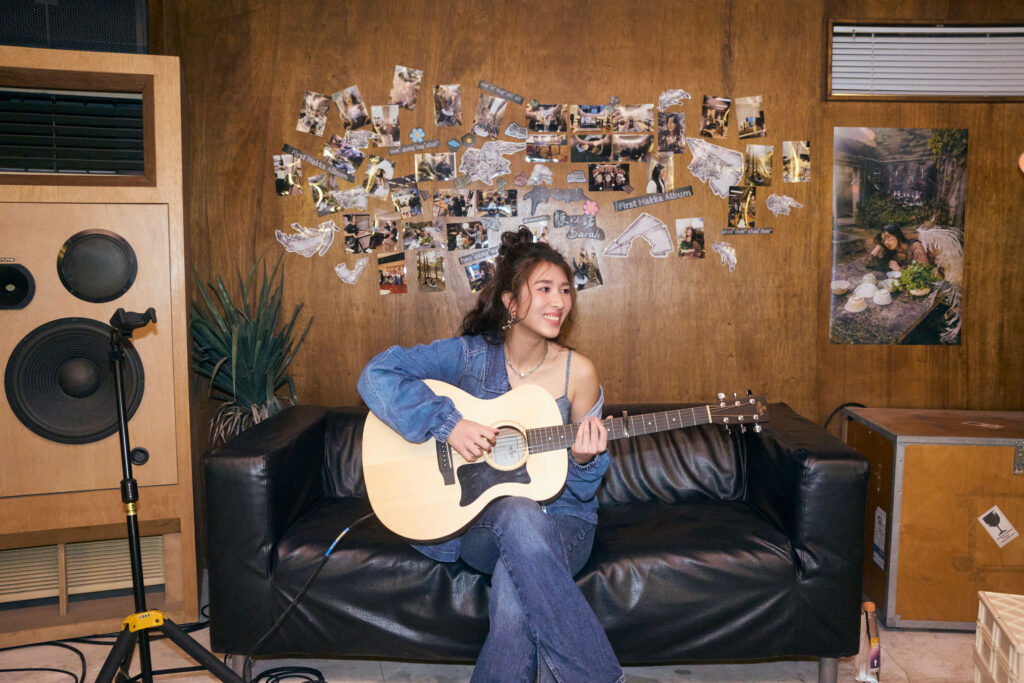
In the ever-evolving landscape of contemporary music, few artists possess the audacity to weave heritage into high-concept art with such effortless grace. Enter Sarah Chan (陳以諾), the “Neo-Soul Songstress” whose cool exterior belies a profound, kaleidoscopic creative spirit. With the digital debut of her inaugural singer-songwriter album, Man Hua Zhi (慢花誌), Sarah invites us into a lush, sonic sanctuary where identity is not just found, but meticulously composed.
A Symphony of Heritage and Modernity
Man Hua Zhi (慢花誌) is far more than a collection of tracks; it is a mecticulously curated musical diary. Growing up in a vibrant, multilingual environment, Sarah utilizes this album to navigate the intricate contours of her own culture. The record is a masterclass in genre-bending, seamlessly pivoting between the sultry rhythms of R&B and Soul to the ethereal textures of Dream Pop and Jazz. While Hakka serves as the album’s linguistic spine, Sarah artfully integrates Cantonese (粵語), Mandarin (華語), and English, creating a global dialogue that feels both intimate and expansive.
International Artistry and Collaborative Brilliance
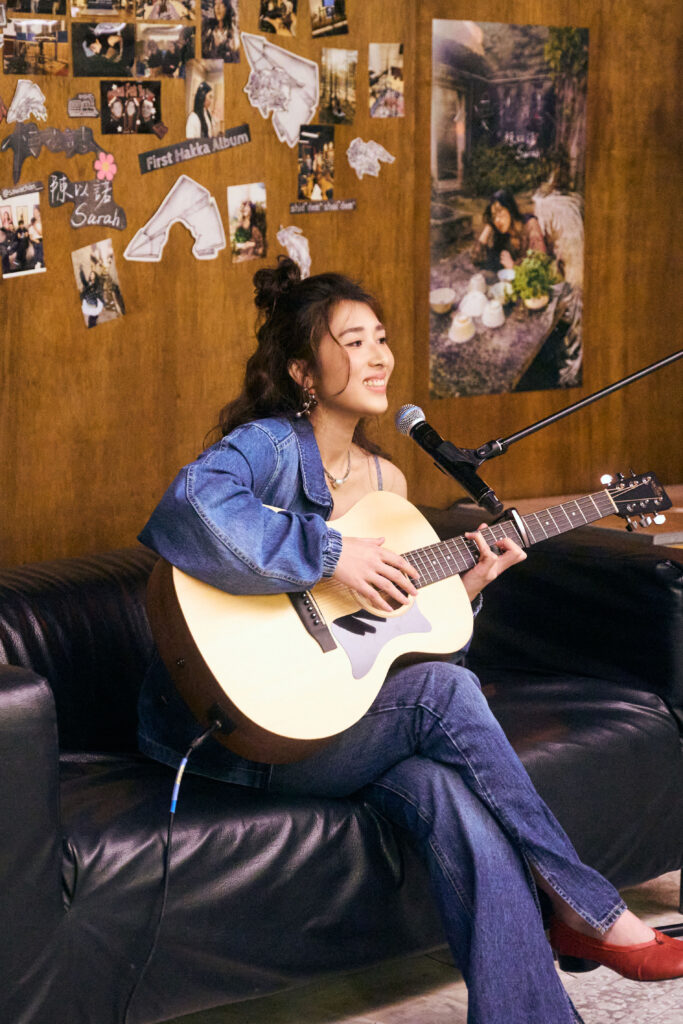
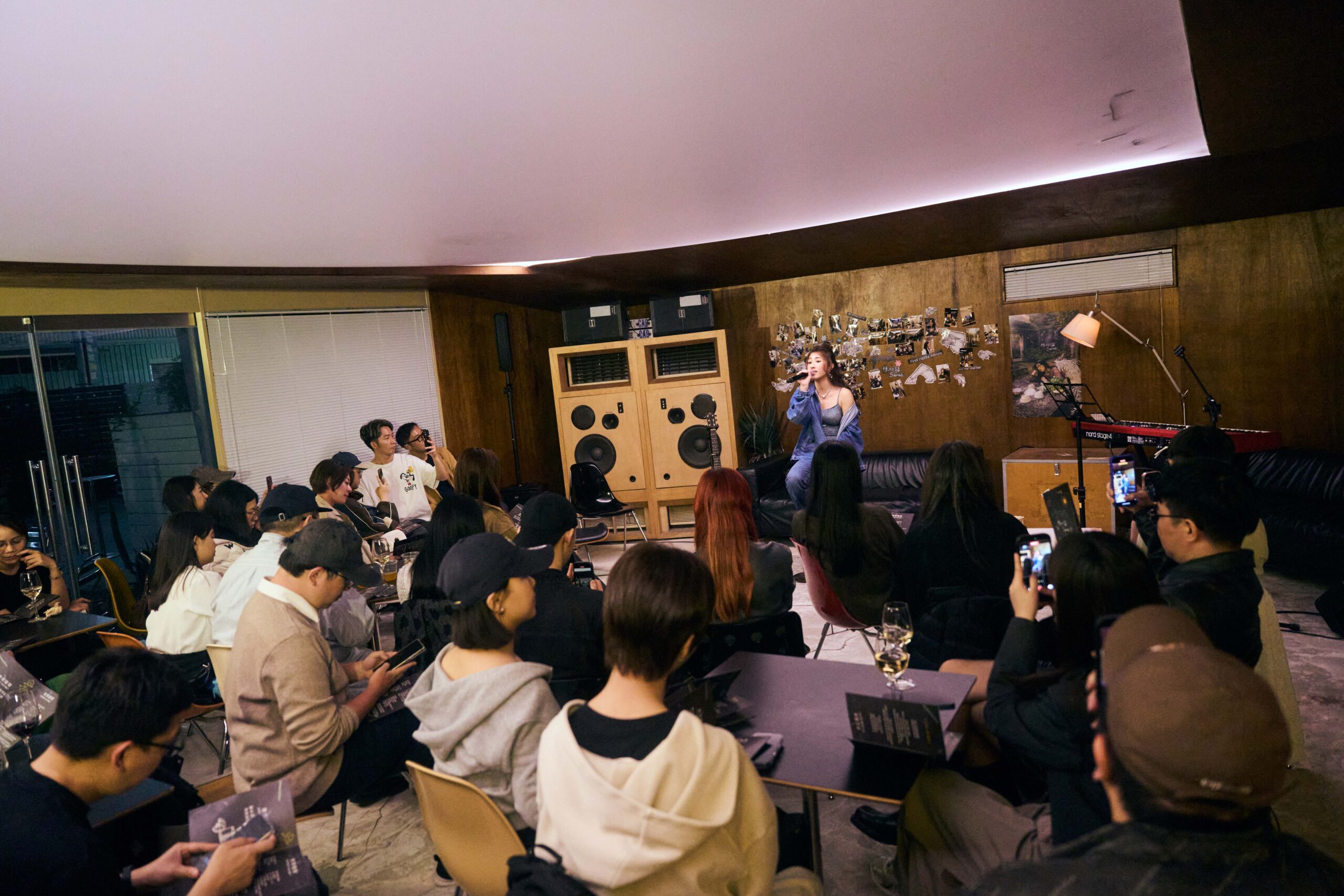
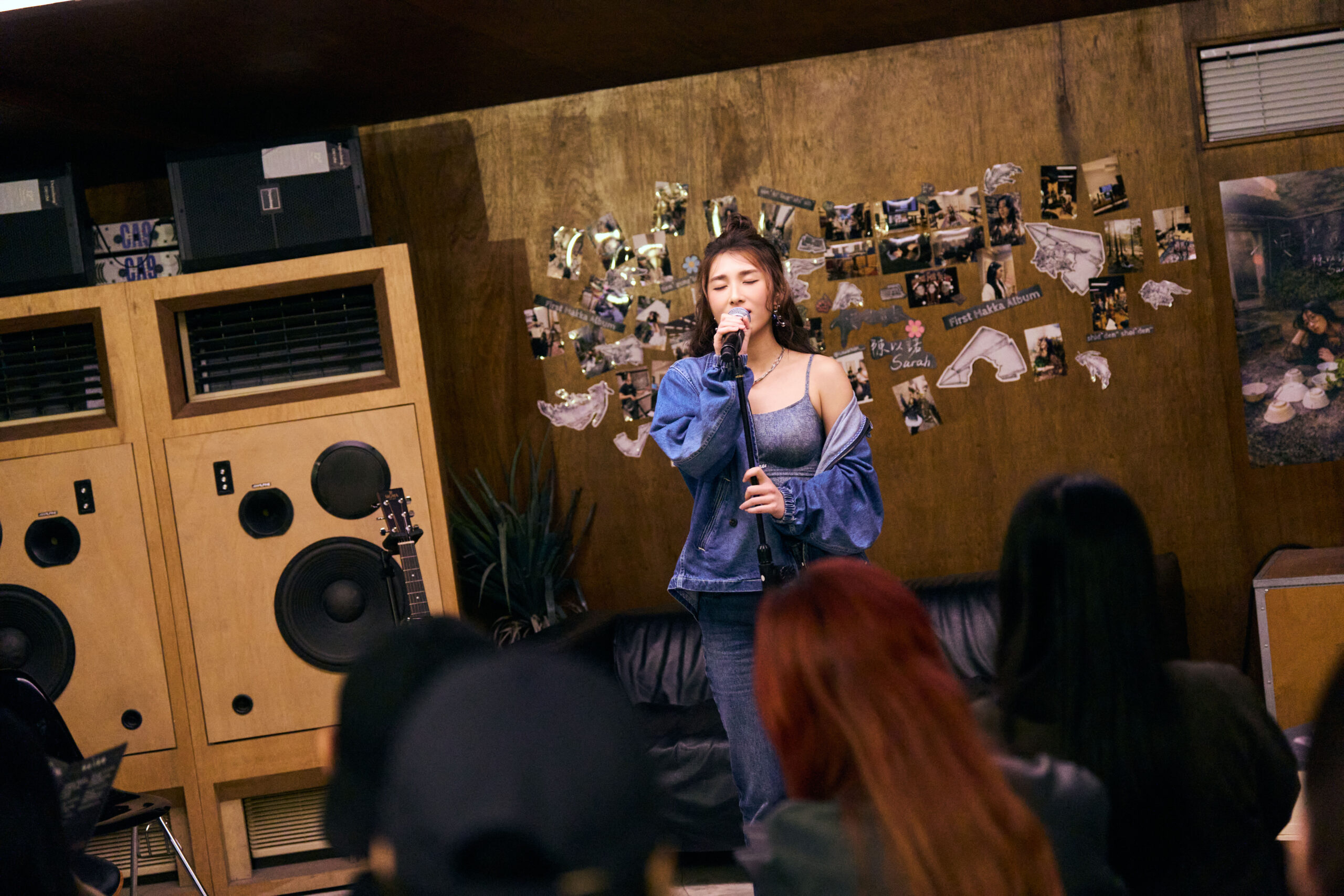
To bring this vision to life, Sarah collaborated with a formidable roster of international luminaries. From the avant-garde sensibilities of Robot Swing (鄭昭元) and Shing02 to the seasoned expertise of CPJ (陳宥晞) and **Etienne JEANNE, the album is enriched by a diverse array of global perspectives. This collaborative synergy has resulted in a sophisticated, multi-layered production that mirrors the complexity of Sarah’s own journey. During her recent showcase, she reflected on her evolution: “I’ve been creating for over five years, but these songs were my private world. This album is finally the moment to archive my growth.”
The Hakka Heartland: A Surprise for the Senses
One of the album’s most enchanting elements is its deep-rooted connection to Sarah’s Hakka lineage. Despite her modern aesthetic, Sarah found inspiration in the summers spent in her mother’s ancestral village, surrounded by the rhythmic chatter of her grandmother and a 200-strong extended family. This immersion into Hakka culture was a deliberate “surprise” for her listeners—and her family. “My mother was incredibly proud when she heard the Hakka nuances in the record,” Sarah shares with a triumphant smile. It is a poignant reminder that the most avant-garde art often stems from the most traditional roots.

From Berklee Dreams to Sonic Reality
The narrative of Man Hua Zhi (慢花誌) is inextricably linked to Sarah’s personal history. In her track “The Youth” (後生人), she engages in a dialogue with her younger self—the four-year-old girl who first discovered melody on a toy piano. Despite her natural talent, Sarah nearly chose a path in management until a life-altering acceptance letter from the Berklee College of Music arrived. That pivotal moment of “to be or not to be” in music is the foundation of her twenty-year musical odyssey, providing the “nutrients” that allow her artistry to bloom today.
A Track-by-Track Narrative
The album’s storytelling is vivid and cinematic:
- “When the Heavens Drop Water” (天公落水): A hauntingly beautiful track sampling traditional Hakka folk songs, rearranged to evoke the nostalgic chime of a childhood music box.
- “Eat and Sleep” (食等睡等): A gentle manifesto on self-care, urging listeners to find solace in the simple acts of resting and nourishing oneself when the world demands too much.
- “Station at 8 O’Clock” (車站八點鐘): The album’s sole Mandarin ballad, capturing the melancholy of missed connections amidst the repetitive hum of a daily subway commute.
- “Saturday Market” (星期六市集): Inspired by her love for hunting vinyl at flea markets, this track pulses with the vibrant energy of weekend discovery.
The Prodigious Rise of a New Icon
Influenced by the vocal prowess of Adele and Bruno Mars, and the songwriting craft of Tanya Chua (蔡健雅), Sarah Chan has emerged as a formidable force. Perhaps most impressive is that Man Hua Zhi (慢花誌) was finalized in a mere two and a half months—a testament to her prolific creative output. Now a member of the Universal Music family, Sarah Chan is no longer just a rising voice; she is a definitive architect of the new soul movement.