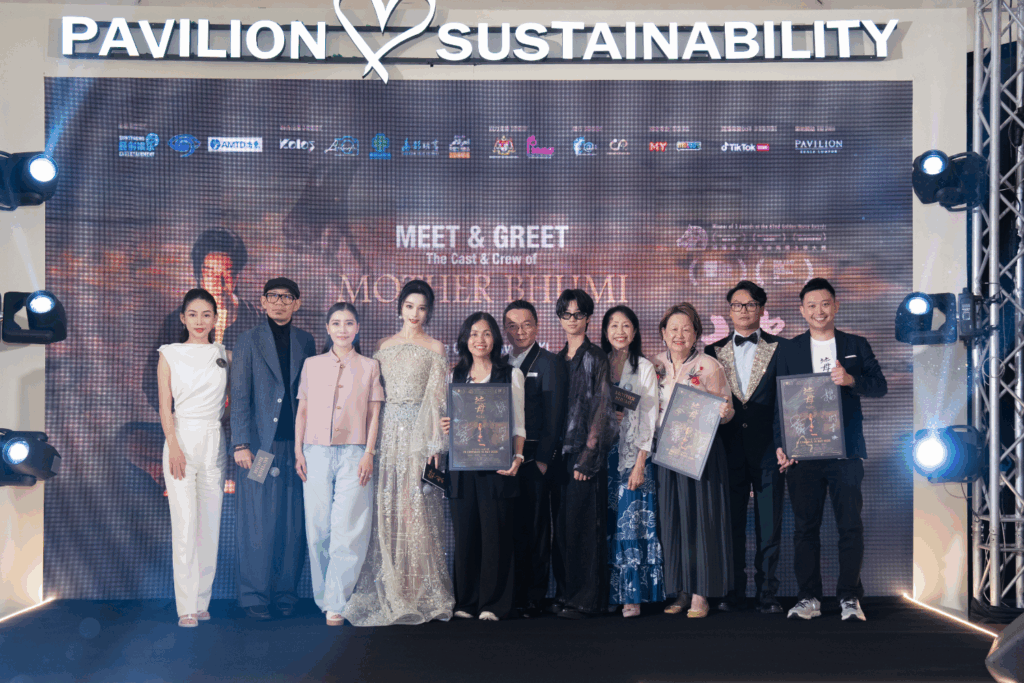
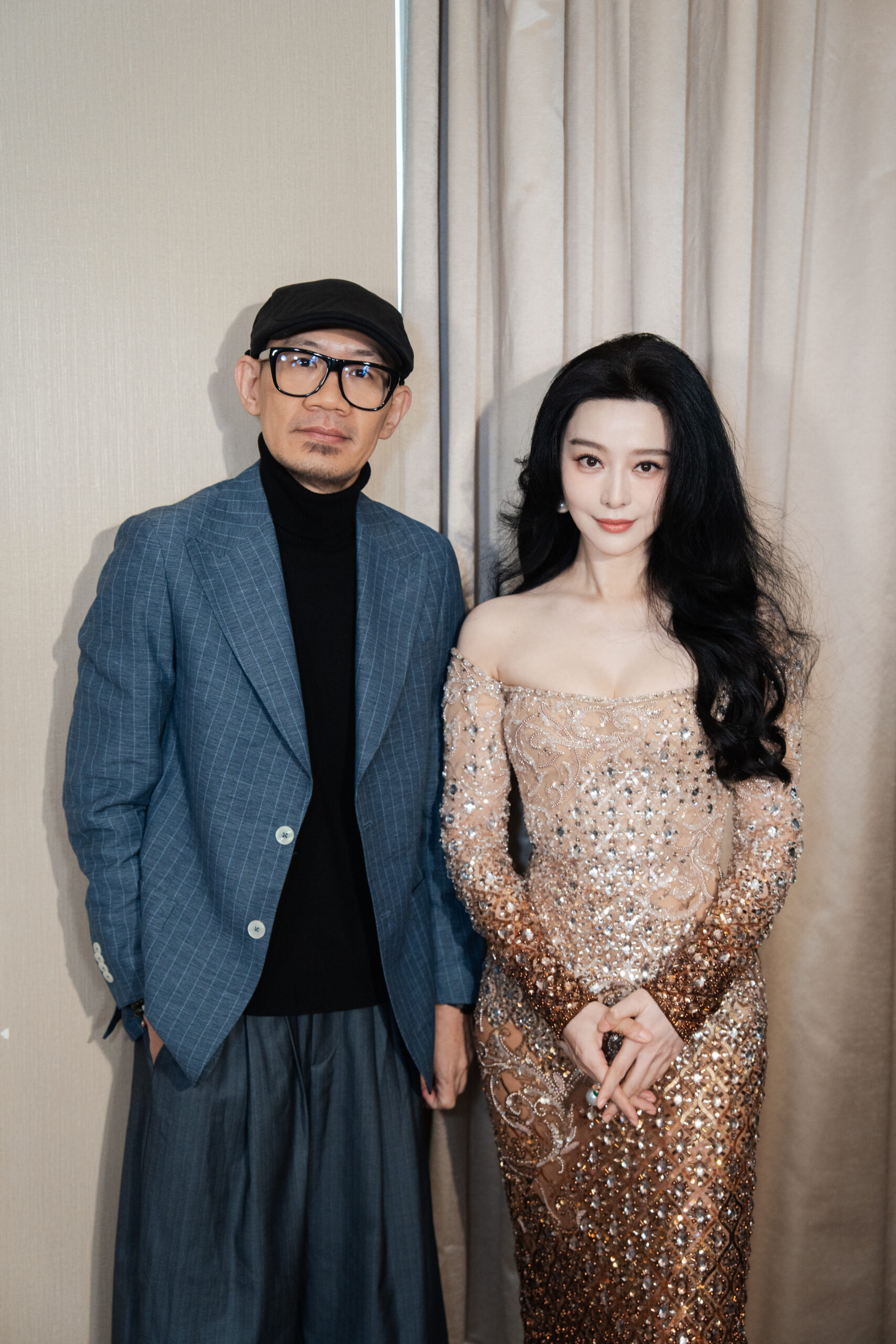
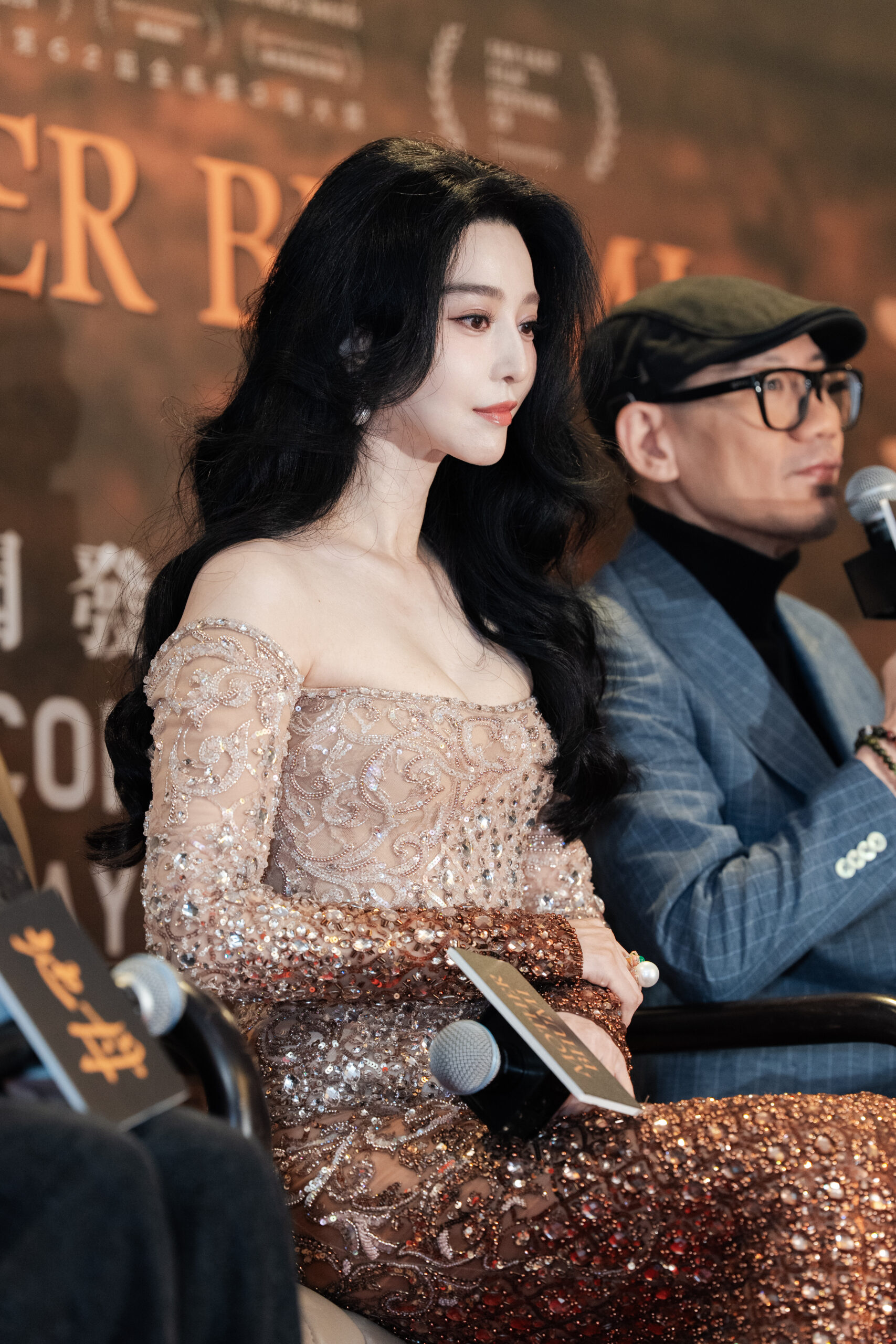
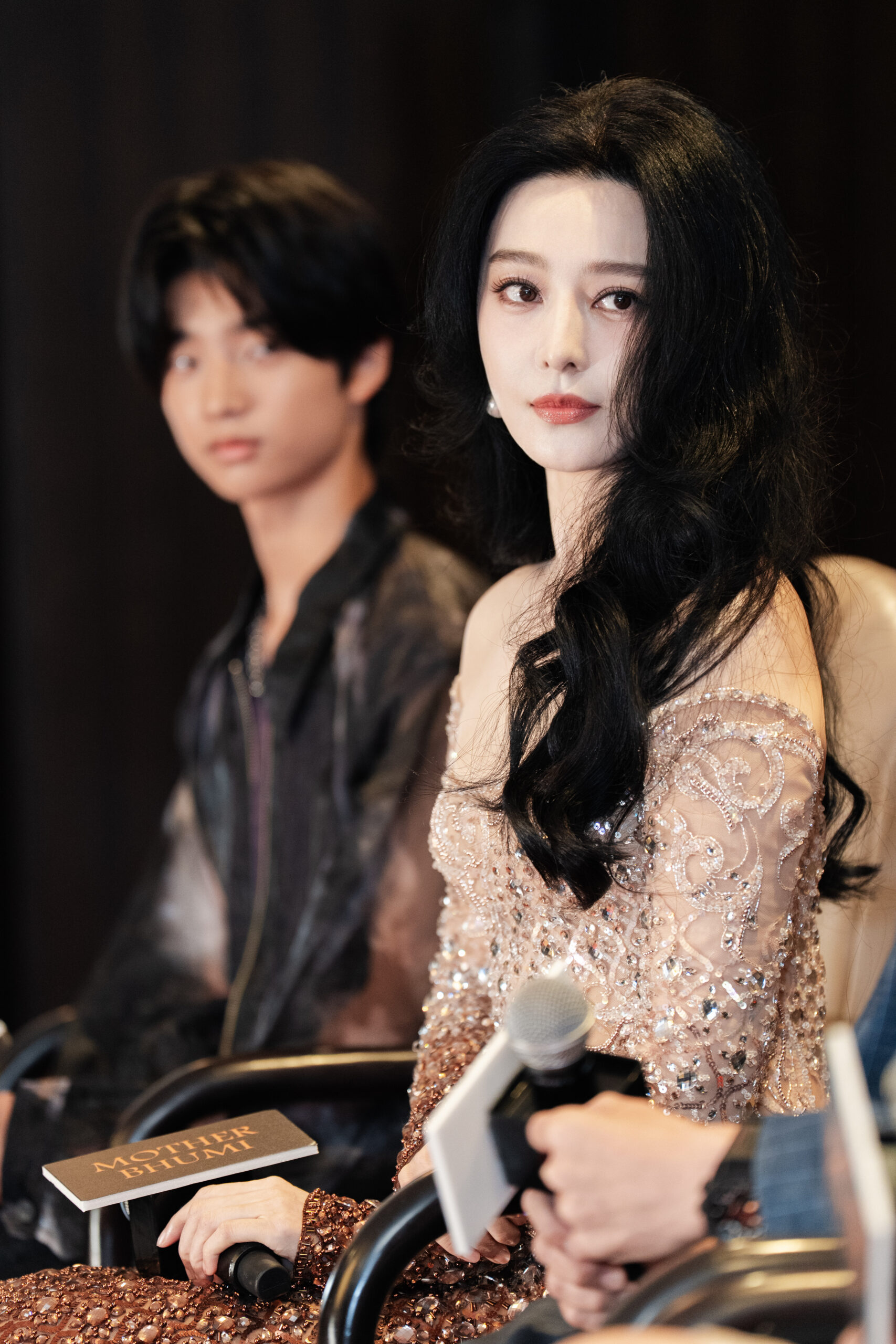
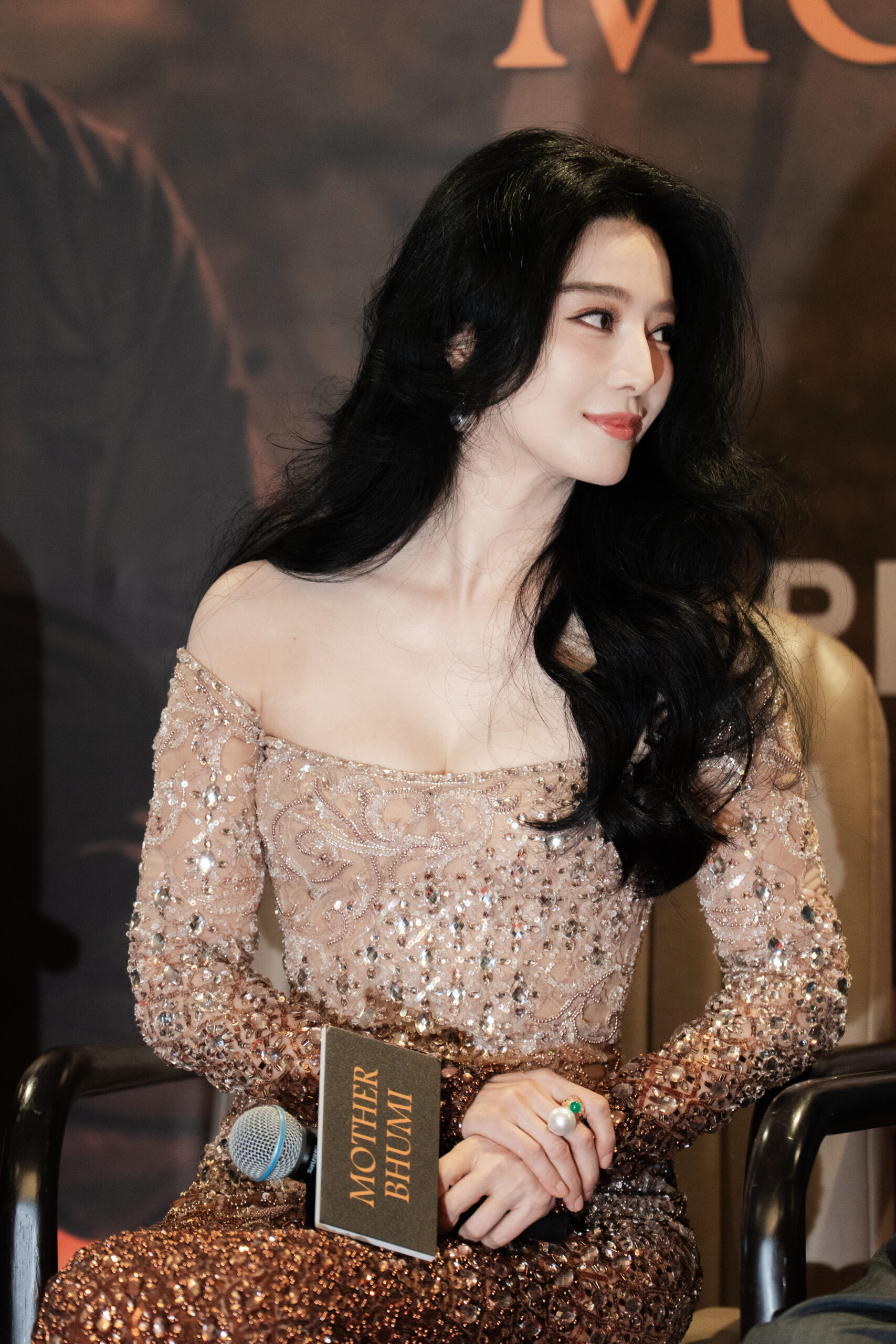
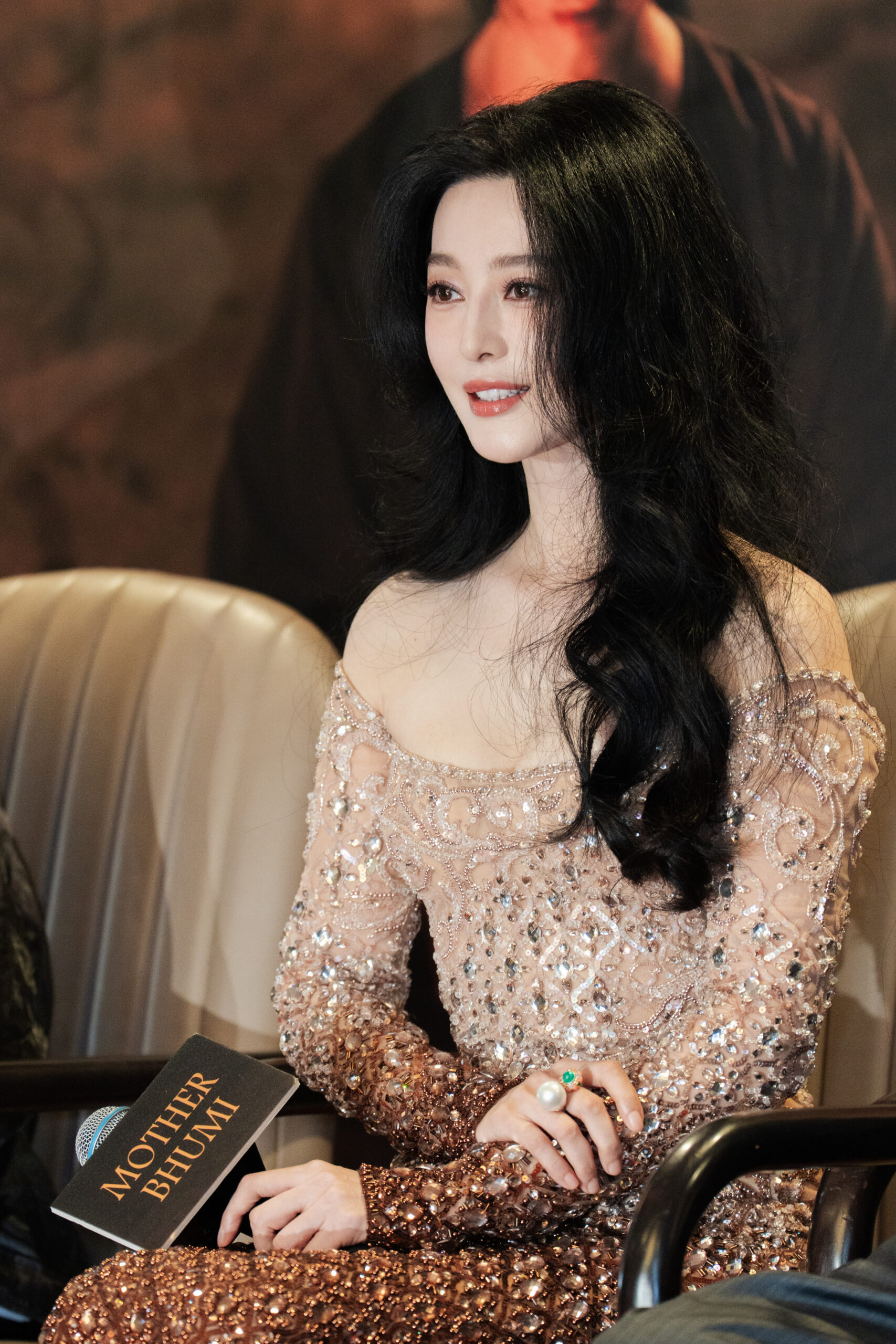
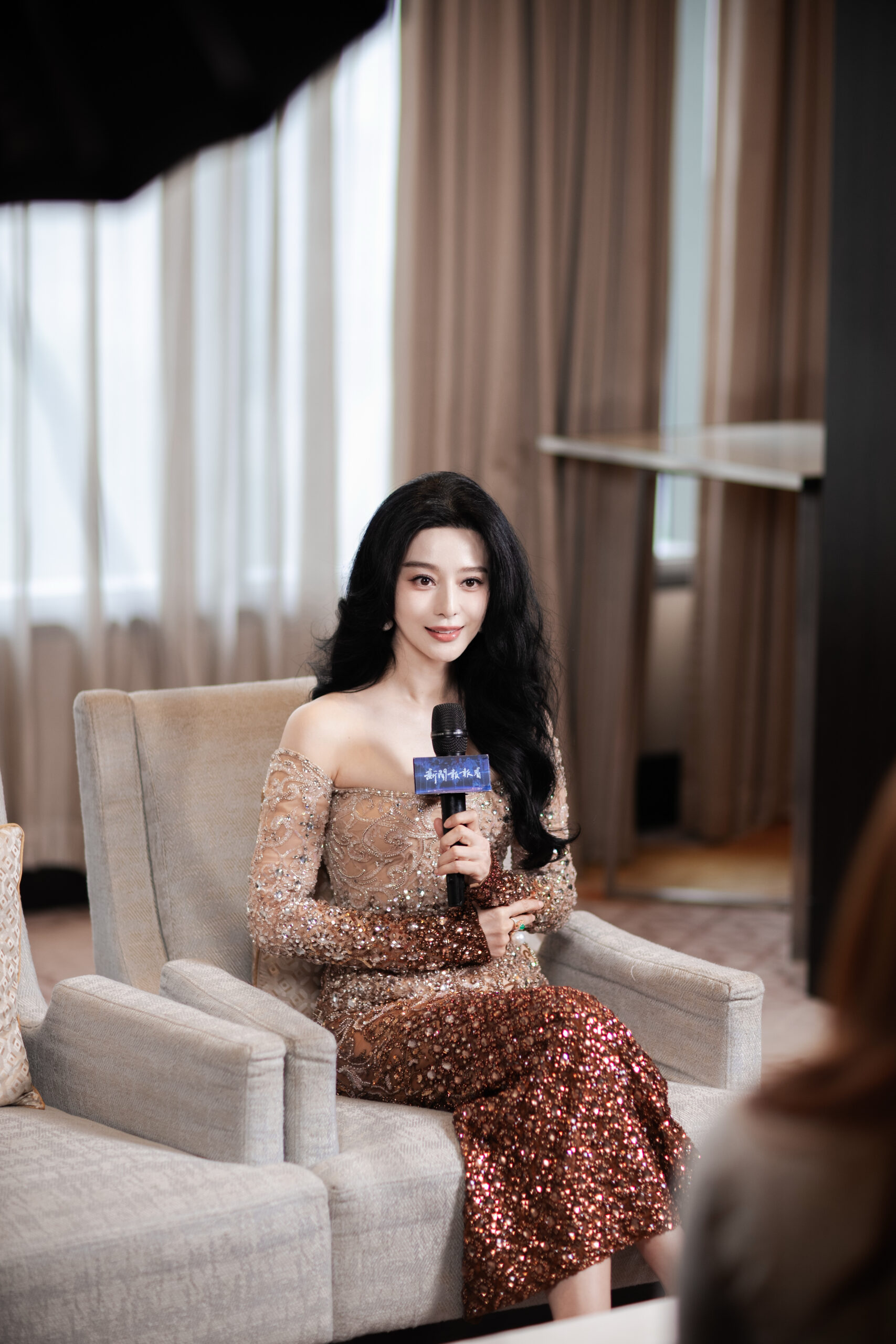
The landscape of Malaysian cinema is currently undergoing a seismic, poetic shift. Following a triumphant sweep at the 62nd Golden Horse Awards, Chong Keat Aun, the auteur of the avant-garde, returns to his roots with Mother Bhumi. This isn’t merely a homecoming; it is a cinematic ritual that intertwines the visceral grit of Kedah’s soil with the ethereal whispers of Southeast Asian folklore. Scheduled for a nationwide premiere on May 14, the film arrives draped in international prestige and a narrative soul that demands to be seen.
A Career-Defining Metamorphosis for Fan Bingbing
At the heart of this rural tapestry is the “Kedah Witch,” portrayed by global icon Fan Bingbing. In what critics are hailing as a career-defining performance, Fan has shed the luminous artifice of the red carpet to inhabit Hong Im—a farmer by day and a ritual healer by night. To achieve this profound transformation, Fan immersed herself in the village rhythm for eight months, darkening her complexion and mastering a complex linguistic palette of Siamese dialect, Hokkien, and sacred Pali chants. It is a performance of raw, stripped-back intensity that earned her the coveted Golden Horse for Best Leading Actress, proving that her artistry knows no borders.
Magical Realism and the Politics of the Land
Set against the backdrop of a 1990s Siamese village, Mother Bhumi navigates the jagged intersections of land disputes and supernatural phenomena. Chong Keat Aun employs a lens of magical realism to dissect themes of patriarchy, ethnicity, and the encroaching shadows of power. The film’s aesthetic—a haunting blend of shadow and sunlight—captured the Best Cinematography award, elevating the emerald paddy fields of Kedah into a character of their own. It is a story where the earth itself remembers the grievances of the marginalized.
The supporting cast further anchors the film’s emotional gravity. Natalie Hsu delivers a piercing performance as the rebellious daughter, undergoing her own physical evolution to reflect the constraints of rural youth, while Taiwanese prodigy Bai Run-yin portrays Hong Im’s son with a vulnerability that belies his years. Having already captivated audiences at the Tokyo International Film Festival and earned the Golden Mulberry Award in Udine, Italy, the film stands as a testament to the soaring caliber of Malaysian storytelling on the global stage.